

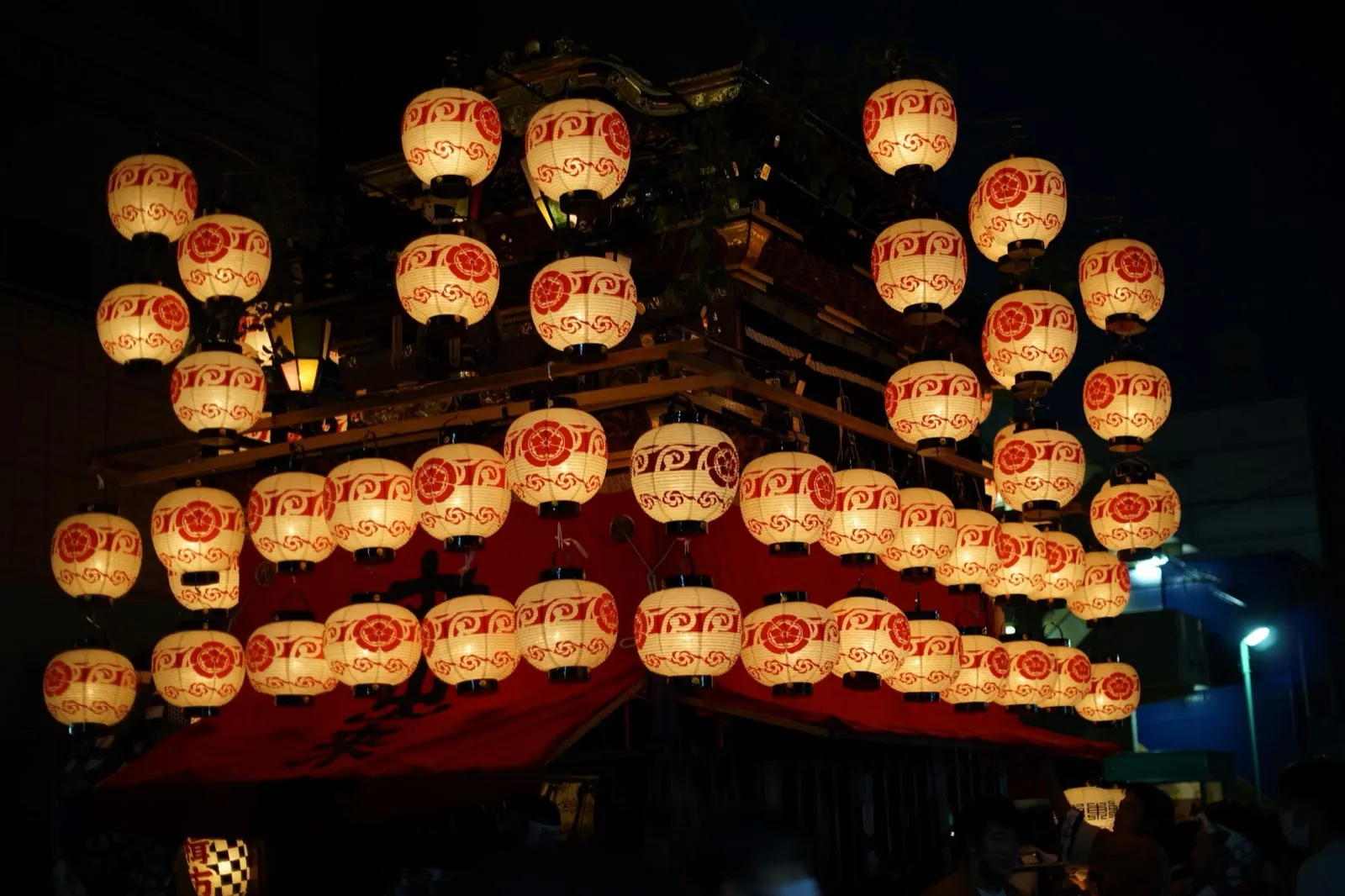
Japan lives in a perpetual cycle of festivals (matsuri). There are seasons that transform the country: the sakura in spring, the Gion Matsuri in July, the Obon in August and the Hokkaido snow in February. If you adjust your travel dates to coincide with a festival, the experience is completely different. This guide tells you when and where.
January and February: snow and New Year
| Festival | City | Approx. dates | What it is |
|---|---|---|---|
| Shogatsu (New Year) | All Japan | 1–3 January | Shrine visit in the first hours of the year (hatsumode). Meiji-jingu in Tokyo receives 3 million people in 3 days. |
| Sapporo Snow Festival | Sapporo (Hokkaido) | Early Feb. | Monumental ice sculptures in Odori Park. Structures up to 15 m high. One of the most spectacular winter festivals in the world. |
| Setsubun | All Japan | 3–4 February | End of the seasonal winter. At the temples, beans are thrown to drive away demons (mame-maki). Photogenic scenes in Nara and Kyoto. |
| Nozawa Onsen Fire Festival | Nagano | 15 January | Men of the village defend a wooden shrine while others try to burn it. A 500-year tradition. |
| Yokote Kamakura | Akita (Tohoku) | 15–16 February | Snow igloos (kamakura) decorated with candles, in which children invite visitors to amazake and mochi. Intimate and photogenic atmosphere, with more than 400 years of tradition. |
| Nagasaki Lantern Festival | Nagasaki | Chinese New Year (Jan–Feb) | Around 15,000 lanterns light up Nagasaki's Chinatown for a little over two weeks, coinciding with the first 15 days of the Chinese New Year. The date changes each year with the lunar calendar. |
Price note: the Shogatsu period (31 Dec–3 January) is the most expensive of the year in Japan. Hotels triple their prices and reservations are impossible without months of notice. If you can, avoid 31 December and 1 January for leisure trips.
March, April and May: sakura season
The cherry blossom (sakura) is the most popular event in the Japanese calendar. The whole country picnics under the cherry trees (hanami), hotels sell out weeks ahead and the parks fill with people on blue mats with bento. If you are going to plan the trip around the bloom, you have the detail of dates and best spots in the guide to cherry blossoms in Japan.
| Festival | City | Approx. dates | What it is |
|---|---|---|---|
| Hanami (sakura) | All Japan | Mar–May (varies by region) | Kyoto and Tokyo bloom around 28 Mar–10 Apr. Hokkaido in May. The best spots: Maruyama Park (Kyoto), Shinjuku Gyoen (Tokyo), Hirosaki (Aomori). |
| Takayama Matsuri (spring) | Takayama | 14–15 April | One of the 3 best festivals in Japan. Floats (yatai) several centuries old parade through the streets of this city in the Japanese Alps. |
| Ashikaga Wisteria | Ashikaga (Tochigi) | Apr–May | Tunnels of colourful wisteria blooming in cascades. One of the most photographed floral spectacles in the world. |
| Golden Week | All Japan | 29 Apr–5 May | The longest holiday week of the year in Japan. Trains, hotels and attractions are packed. Sky-high prices. Locals travel en masse. |
| Hamamatsu Kite Festival | Hamamatsu (Shizuoka) | 3–5 May | Festival of giant kites on the coast with flute and drum music. A 430-year tradition. |
June and July: the great matsuri summer
July is the most intense month of the matsuri calendar: the Gion Matsuri in Kyoto, the Tenjin Matsuri in Osaka and the start of the fireworks season (hanabi) coincide. If you travel in summer, it is the best time of year to experience a Japanese festival from start to finish.
| Festival | City | Approx. dates | What it is |
|---|---|---|---|
| Gion Matsuri | Kyoto | All July (parades 17 and 24) | The most famous festival in Japan (1,100 years of history). Three-storey floats (yamaboko) process through central Kyoto. Night atmosphere in the streets from the 14th to the 16th. |
| Tanabata | All Japan (Sendai the biggest) | 7 July (Sendai: 6–8 August) | Star festival: the legend of Orihime and Hikoboshi. Paper decorations hung on bamboo throughout the city. Sendai has the biggest Tanabata festival in the country. |
| Hakata Gion Yamakasa | Fukuoka | 1–15 July | Runners carry 1-tonne wooden structures through the streets of Fukuoka. The final race on the 15th (Oiyama) is spectacular. |
| Tenjin Matsuri | Osaka | 24–25 July | River procession with illuminated boats and fireworks. One of Japan's three great matsuri along with Gion and Kanda. |
| Fireworks (hanabi) | All Japan | Jul–Aug | The fireworks season runs from July to August. The biggest: Sumidagawa (Tokyo, last Sat. of July), Nagaoka (Niigata, 2–3 August) and Tsuchiura (Ibaraki). |
August: Obon and the fireworks season
August is the hottest and most festive month in Japan. The Obon (13–16 August) is the period when the Japanese return to their home towns to honour their ancestors. The tourist-destination cities become relatively empty while the rural towns come alive.
| Festival | City | Approx. dates | What it is |
|---|---|---|---|
| Obon | All Japan | 13–16 August | Week of returning to one's roots. Bon Odori (circle dances around a tower) in every neighbourhood. Tokyo becomes relatively quiet; rural towns fill up. |
| Aomori Nebuta Matsuri | Aomori (Tohoku) | 2–7 August | Huge paper lanterns (nebuta) of warrior figures, 5–6 m high, parade at night. Considered one of the 3 best matsuri in Japan. |
| Awa Odori | Tokushima (Shikoku) | 12–15 August | The largest dance festival in Japan: more than 100,000 dancers in the streets to the rhythm of the shamisen. A 400-year tradition. |
| Daimonji Gozan Okuribi | Kyoto | 16 August | Five bonfires on the mountains around Kyoto form the characters for "Great" (大), a boat, a torii and more. Phenomenal seen from the city at nightfall. |
| Nagaoka Fireworks | Nagaoka (Niigata) | 2–3 August | The largest fireworks in Japan: the Phoenix (Foenikkusu) are launched from both banks of the river simultaneously. |
September to December: autumn and Japanese Christmas
| Festival | City | Approx. dates | What it is |
|---|---|---|---|
| Momiji (autumn leaves) | Kyoto, Nikko, Tohoku | Oct–Nov | Japan's second great seasonal spectacle. The red and yellow leaves last 2–3 weeks. Tofuku-ji and Eikan-do in Kyoto; Rinno-ji in Nikko. Dates and spots in the momiji guide. |
| Takayama Matsuri (autumn) | Takayama | 9–10 October | The autumn edition of the Takayama float festival, linked to the Hachiman shrine. The yatai travel through the northern part of the old town among the Japanese Alps. |
| Jidai Matsuri | Kyoto | 22 October | Historical parade with 2,000 participants dressed in costumes from every era of Japan, from the Heian period to the Meiji era. |
| Kurama no Hi Matsuri | Kyoto (Kurama) | 22 October | Fire night in the small village of Kurama: torches all along the path, drums and dances. One of the most haunting and photogenic festivals in Japan. |
| Japanese Christmas (kurisumasu) | Tokyo, Osaka | 24–25 December | Japan does not celebrate Christmas as a religious holiday, but it celebrates it as a commercial and romantic one. The illuminations (Christmas lights) in Shinjuku, Harajuku and Odaiba are spectacular. |
| Omisoka (New Year's Eve) | All Japan | 31 December | The temples ring the bell 108 times at midnight (joya no kane) to purify the 108 human sins. Tokyo's Zojo-ji with views of Tokyo Tower is especially photogenic. |
The three great festivals of Japan
You will see several festivals advertised as "one of the three great ones in Japan". It is not a contradiction: there are several different classifications, each with its own criterion. The most famous is the Nihon Sandai Matsuri (the three great national festivals):
| Festival | City | Approx. dates | What it is |
|---|---|---|---|
| Gion Matsuri | Kyoto | All July | The most famous and oldest (more than 1,100 years). Three-storey yamaboko floats through the city centre. |
| Tenjin Matsuri | Osaka | 24–25 July | River procession with illuminated boats and fireworks over the Okawa River. |
| Kanda Matsuri | Tokyo | Mid-May (odd years) | Dozens of mikoshi (portable shrines) travel through central Tokyo from the Kanda Myojin shrine. It alternates in odd years with the Sanno Matsuri. |
There are also regional and thematic classifications that use the "top 3" too:
- Three most beautiful float festivals — Gion Matsuri (Kyoto), Takayama Matsuri (spring edition on 14–15 April and autumn on 9–10 October) and Chichibu Yomatsuri (Saitama, 2–3 December).
- Three great ones of Tohoku — Aomori Nebuta, Sendai Tanabata and Akita Kanto, all in early August, frequently combined into a single route through the north.
Tips for planning a trip with festivals
- Book hotels well in advance during major festivals — during the Gion Matsuri, the sakura and Obon, hotels in the main cities sell out 2–3 months ahead. Book with a flexible date search and free cancellation to secure options.
- Prices rise during the big matsuri — hotels apply a surcharge during the key festival days. A room costing 8,000 ¥ can cost 15,000–20,000 ¥ during the Gion Matsuri or Golden Week.
- The exact dates change each year — the sakura in particular varies by up to 2 weeks depending on the previous winter. Check the official forecasts in January each year (the Japan Meteorological Corporation publishes the bloom forecast).
- Local festivals vs famous festivals — local neighbourhood matsuri (cho-nakai matsuri) have much more atmosphere and fewer tourists than the famous festivals. Ask at the hotel if there is one during your stay.
- Arrive early at the big festivals — for the Gion Matsuri and the large fireworks, get to the spot 2–3 hours in advance to get a good place. Some events have paid areas (haiku-seki) with better views.
- Appropriate clothing — many locals wear a yukata (light summer kimono) at the July and August matsuri. You can rent one in many shops in Tokyo and Kyoto for 3,000–6,000 ¥, all included.
- Fit the festival into your route — start from a base itinerary (7 days, 10 days, 14 days or 21 days) and adjust the dates to coincide with the matsuri you want to see.
How to experience a matsuri: what to expect on the ground
A matsuri is not a spectacle you watch from a seat: it is a crowd, heat, street food and processions crossing streets closed to traffic. Knowing how it works avoids stress and lets you enjoy it like a local.
The yatai: the festival's gastronomic heart
The streets fill with yatai (street stalls) with the summer classics: takoyaki (octopus balls), yakisoba, yakitori, okonomiyaki, kakigori (shaved ice with syrup), choco-banana and beer. They are cash only: bring coins and small notes, because hardly any yatai accepts a card or IC card. A couple of phrases in Japanese help you order without trouble; you have them in the guide to basic Japanese phrases.
Where to position yourself and how to move
- Do not block the floats' route. The parade routes (yamaboko, mikoshi) are marked and supervised; follow the staff's instructions and do not cross when a float is approaching.
- Arrive with margin. For the big ones (Gion Matsuri, fireworks) the best spots are taken 2–3 hours ahead. Some events sell paid seats (yuryo-seki) with a guaranteed view.
- Watch out for the last transport. After the fireworks, the stations are overwhelmed. Consider waiting 30–40 minutes for the rush to die down rather than squeezing onto the packed platform.
What to carry with you
At the summer matsuri it is hot and humid: bring cash, a small towel, a fan (uchiwa), water and, if you can, a yukata (rented in Tokyo and Kyoto for 3,000–6,000 ¥). For what to pack for a trip with festivals, see the guide to what to bring to Japan.

