

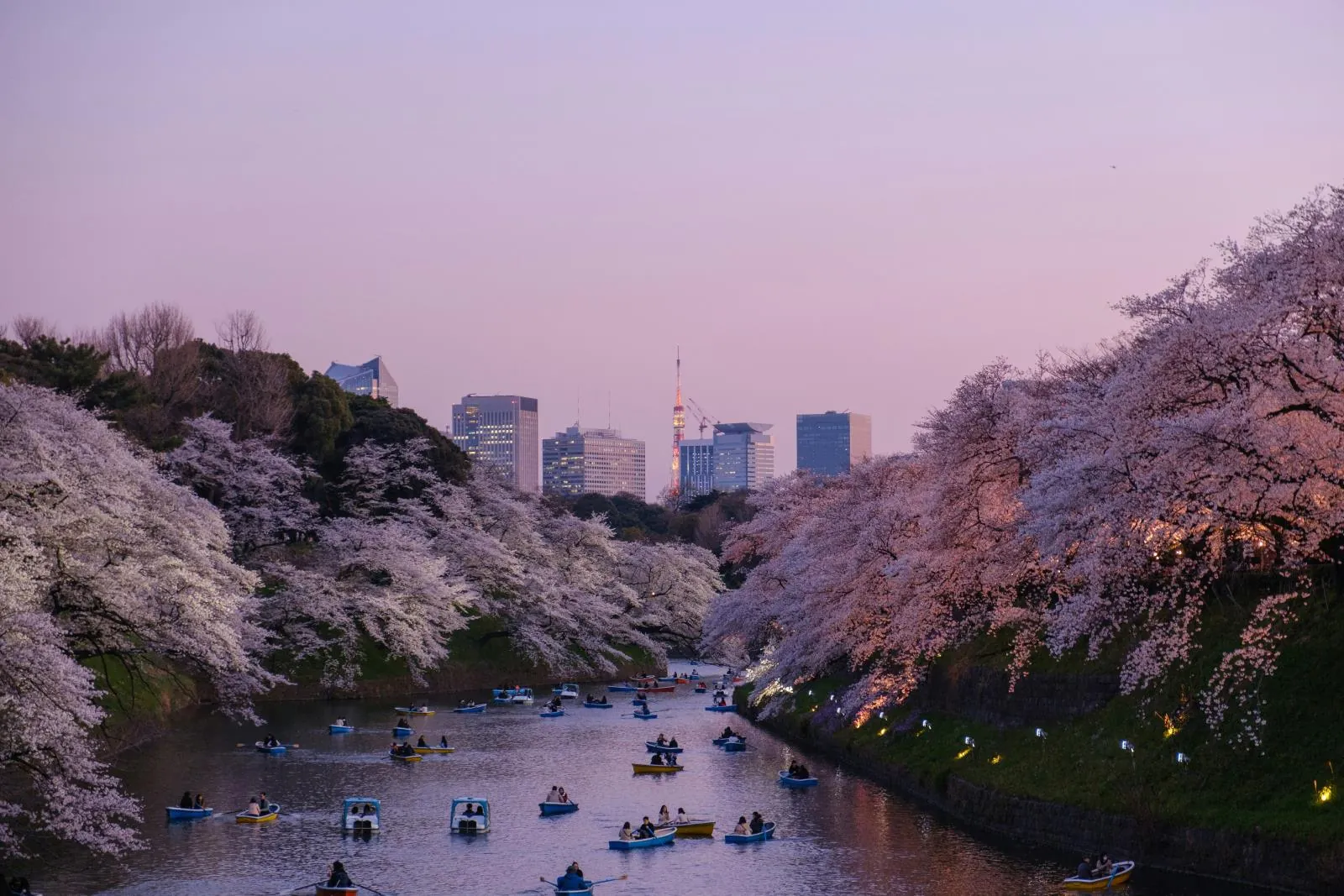
Three weeks is the trip for seeing Japan without rushing: it keeps the Tokyo–Kyoto–Osaka backbone and the most popular extensions, but adds cities that few first-time travellers know — Nikko, Kanazawa and Fukuoka — and that often end up being the favourites. This is the 21-day route in stages, with real activities you can book and the option to tailor it to your taste.
Japan in 21 days: the unhurried trip
Three weeks is the itinerary for those who want to go beyond the usual circuits. It keeps the Tokyo–Kyoto–Osaka backbone and the most popular extensions (Hakone for Fuji, Hiroshima and Miyajima), but adds cities that few first-time travellers know and that often end up being the favourite memories: Nikko, Kanazawa and Fukuoka. If you are torn between these and other stops, the best cities in Japan compares all the options.
It is a one-way trip, from east to west: you arrive in Tokyo and leave from Fukuoka (an "open jaw" ticket worth checking on a flight comparison to Japan), so you do not repeat a single Shinkansen leg. With the JR Pass it is worth doing the maths without being guided by intuition: although the trip lasts three weeks, this route moves without backtracking and the big journeys are spread across the 21 days, so the pass is not always worth it. We break it down in the budget section.
If three weeks seems too much or you prefer to concentrate the trip, the 14-day itinerary covers the essentials plus Hakone and Hiroshima without the secondary cities.
The 21-day route at a glance
Eight stops from east to west, chained together on the Shinkansen without backtracking. Arrival in Tokyo, departure from Fukuoka.
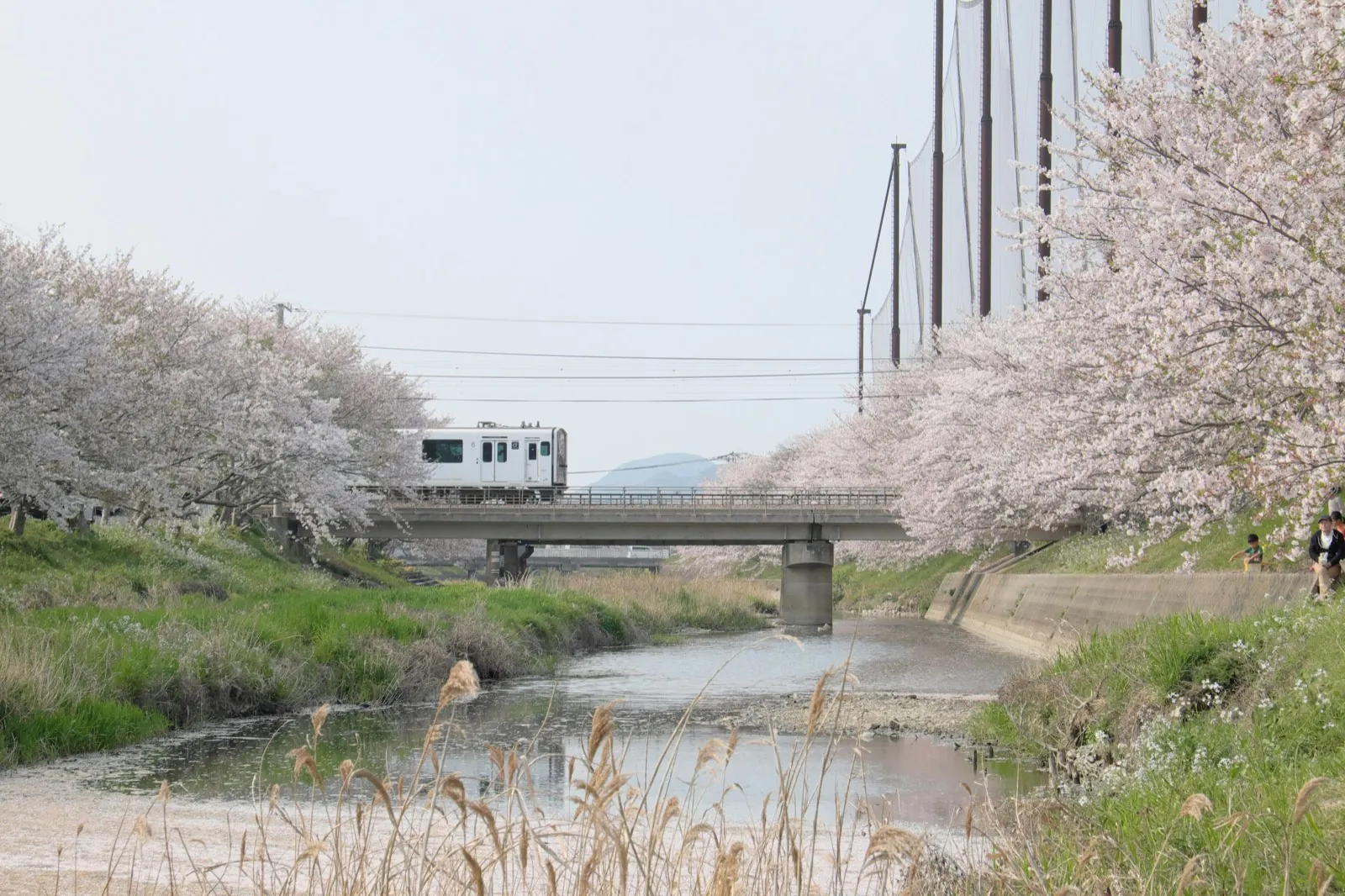
Itinerary in stages (21 days)
Days 1–4: Tokyo
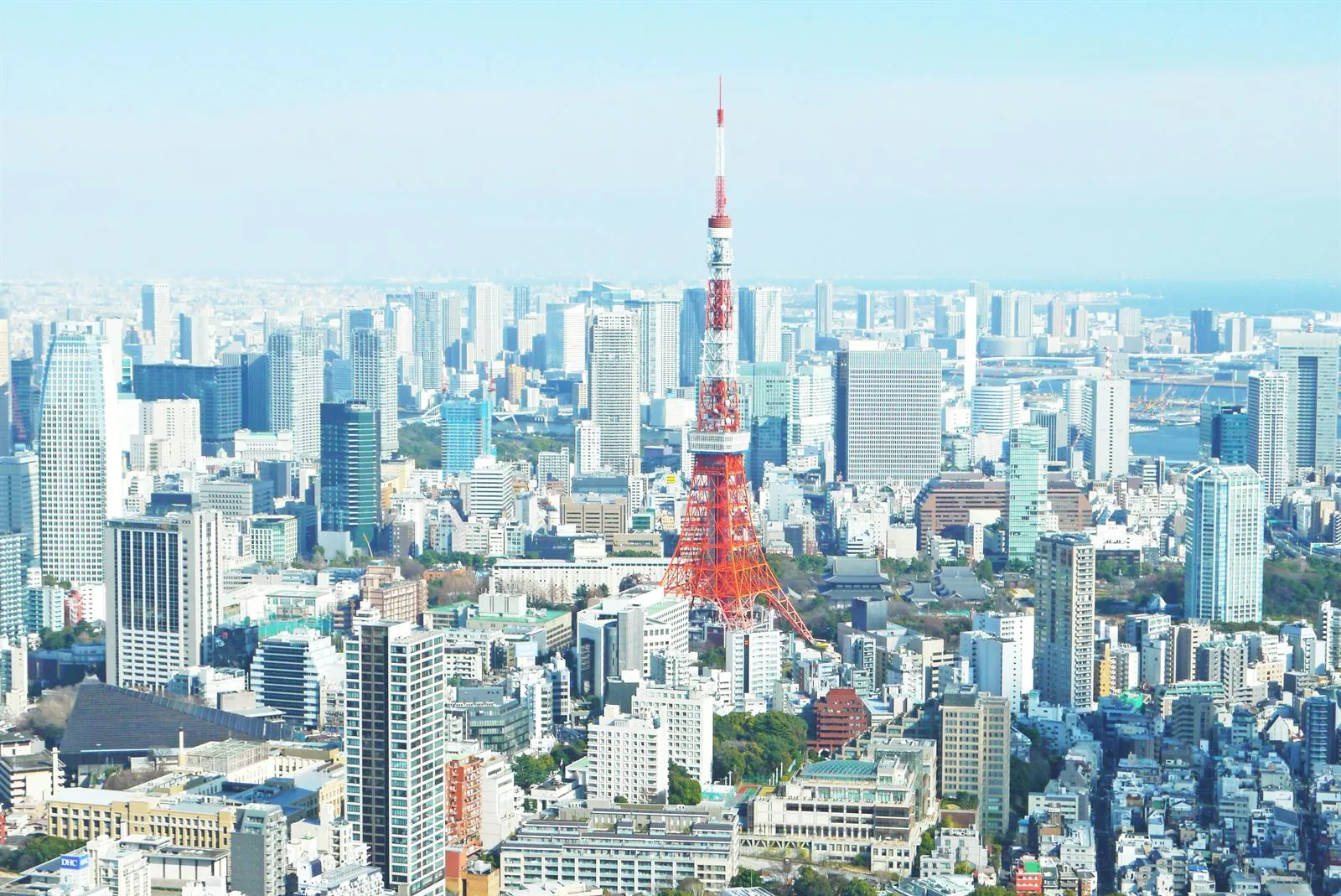
The same start as any route (to gauge whether four days is right for you, see how many days to spend in Tokyo): a light arrival day because of jet lag, a day for modern Tokyo (Shibuya, Harajuku, Shinjuku), another for the traditional side (Asakusa, Ueno, Akihabara) and a flexible fourth for Ginza, Odaiba, neighbourhoods such as Yanaka and Shimokitazawa, or a day trip to Kamakura.
Day 5: Nikko
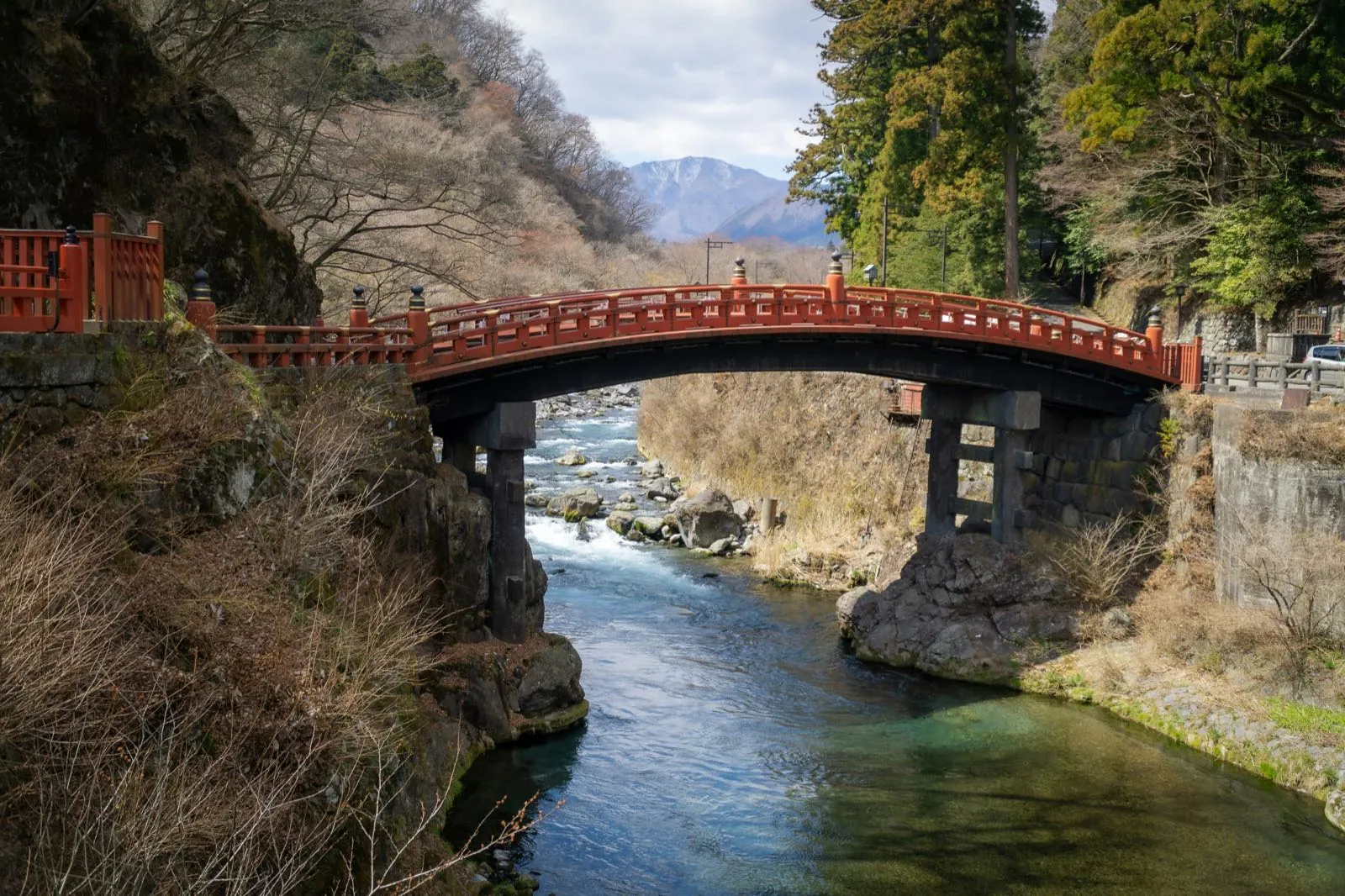
2 hours from Tokyo on the Tobu Limited Express. The Tosho-gu complex, with its golden carvings and the mausoleum of the shogun Tokugawa, is the most ornate in Japan. If the weather is kind, the Kegon Falls and Lake Chuzenji complete the day. One night outside Tokyo before continuing west.
Day 6: Hakone
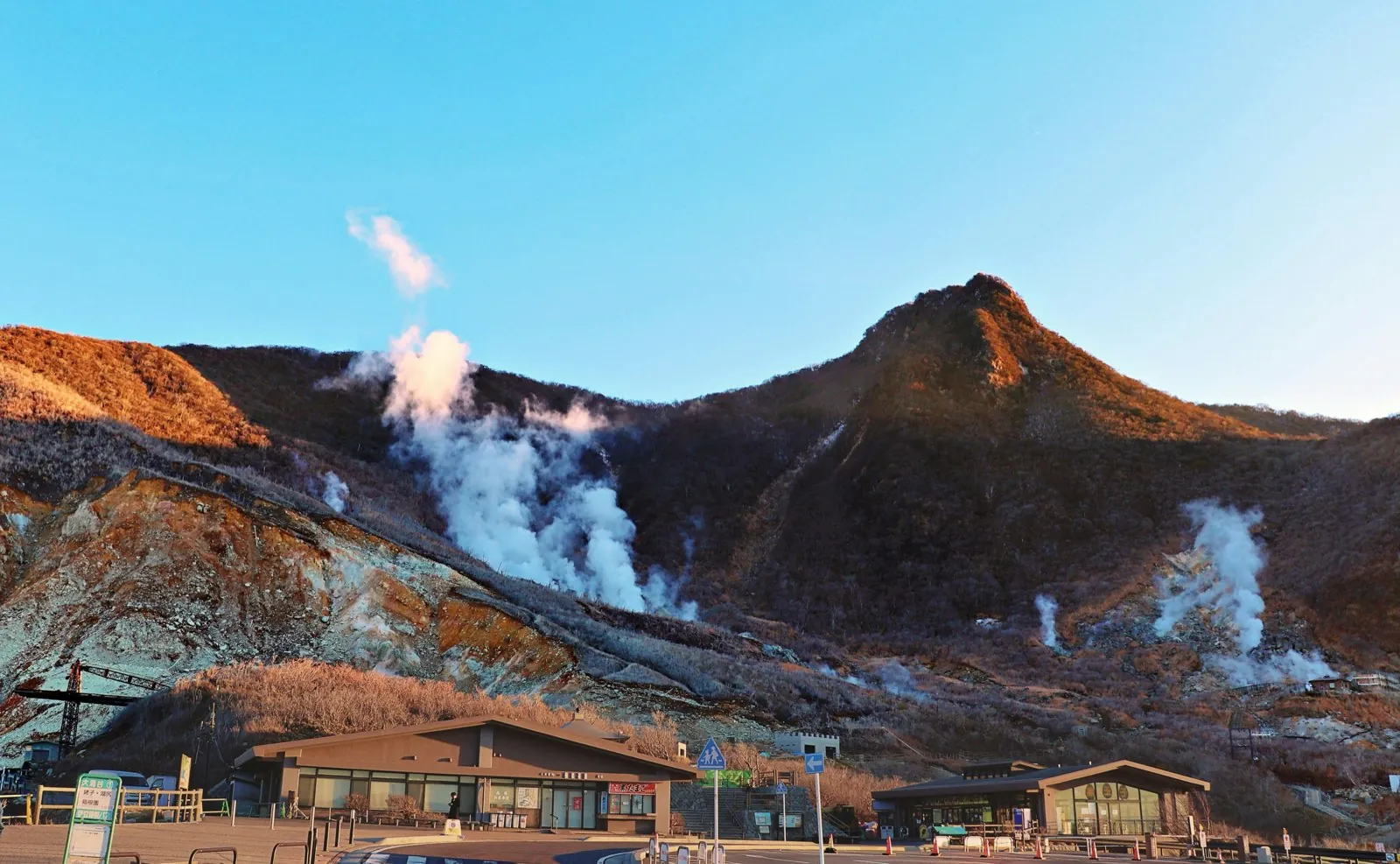
Back to the Tokyo area to take the Romancecar to Hakone (90 min). A loop with a funicular, a ropeway over Owakudani and a boat across Lake Ashi, with Mount Fuji in the background. A night in a ryokan with an onsen.
Days 7–8: Kanazawa
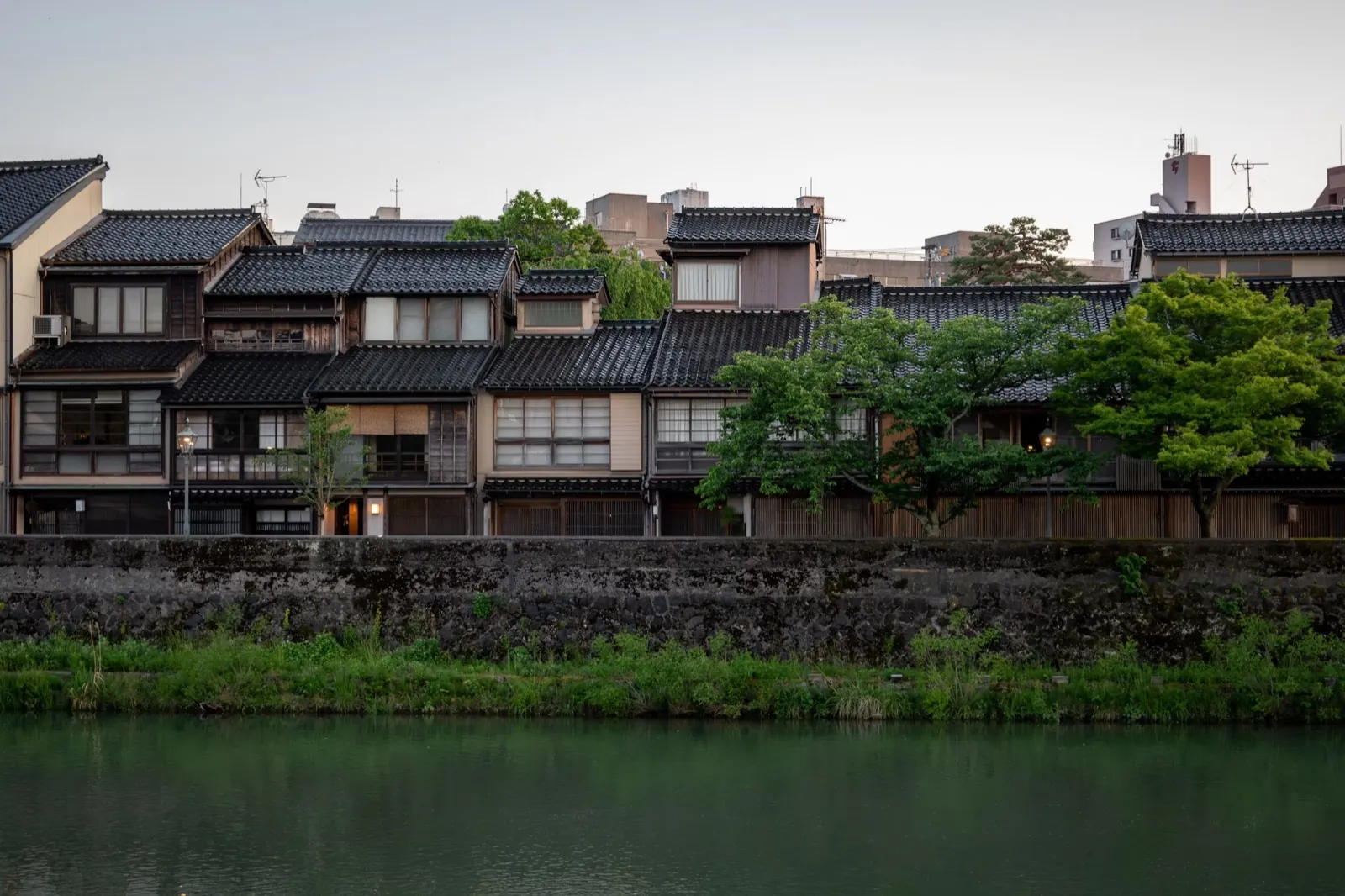
From Hakone you go back to Odawara or Tokyo and take the Hokuriku Kagayaki Shinkansen to Kanazawa (2h30 from Tokyo). Two days for the Kenroku-en garden — one of the three most beautiful in Japan —, the Higashi Chaya geisha district, the Nagamachi samurai district and the Omicho market with seafood from the Sea of Japan.
Days 9–12: Kyoto (with a day trip to Nara)
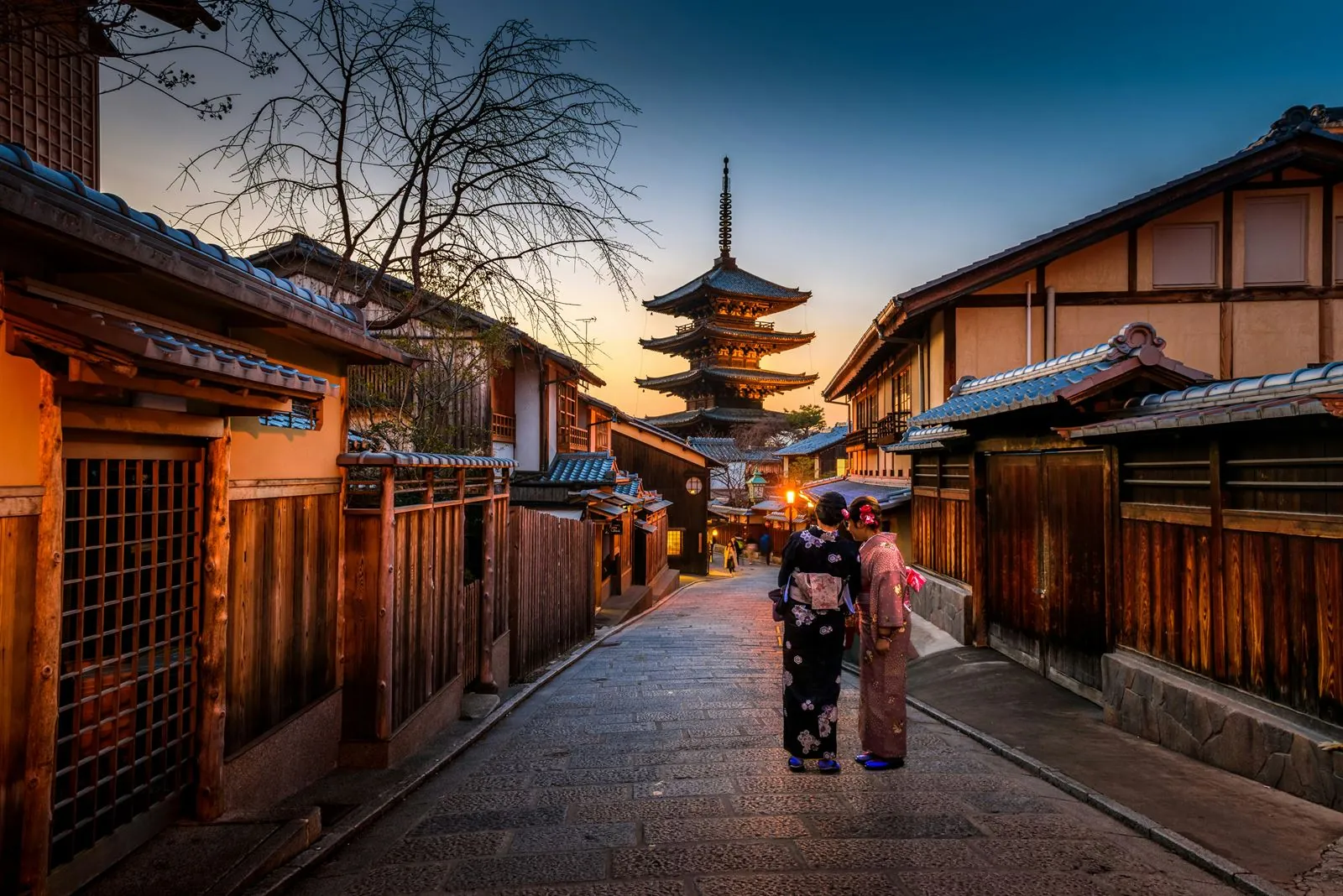
Four full days — double what we recommend in how many days to spend in Kyoto for a first visit —: the south with Fushimi Inari at dawn, the west with Arashiyama and its bamboo grove, the north with Kinkaku-ji and Ryoan-ji, and a day for the day trip to Nara (the deer of the park and the Great Buddha of Tōdai-ji, 45 min by train). Gion at sunset any afternoon.
Days 13–14: Hiroshima and Miyajima
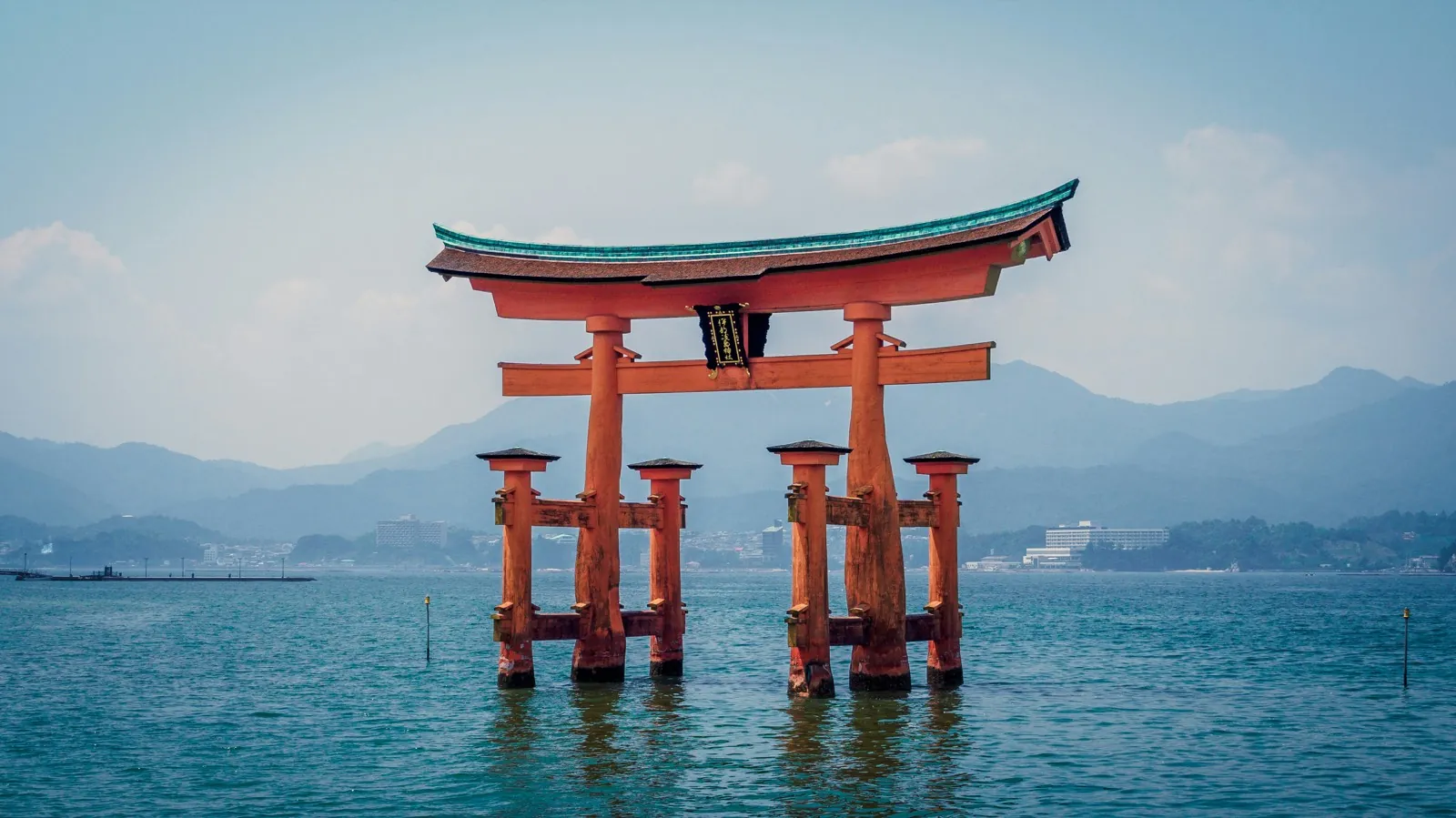
Shinkansen to Hiroshima (about 1h40 from Kyoto). The Peace Memorial Park and its museum on the first day; the island of Miyajima and the floating torii of the Itsukushima shrine on the second, arriving early to avoid the groups.
Days 15–17: Osaka
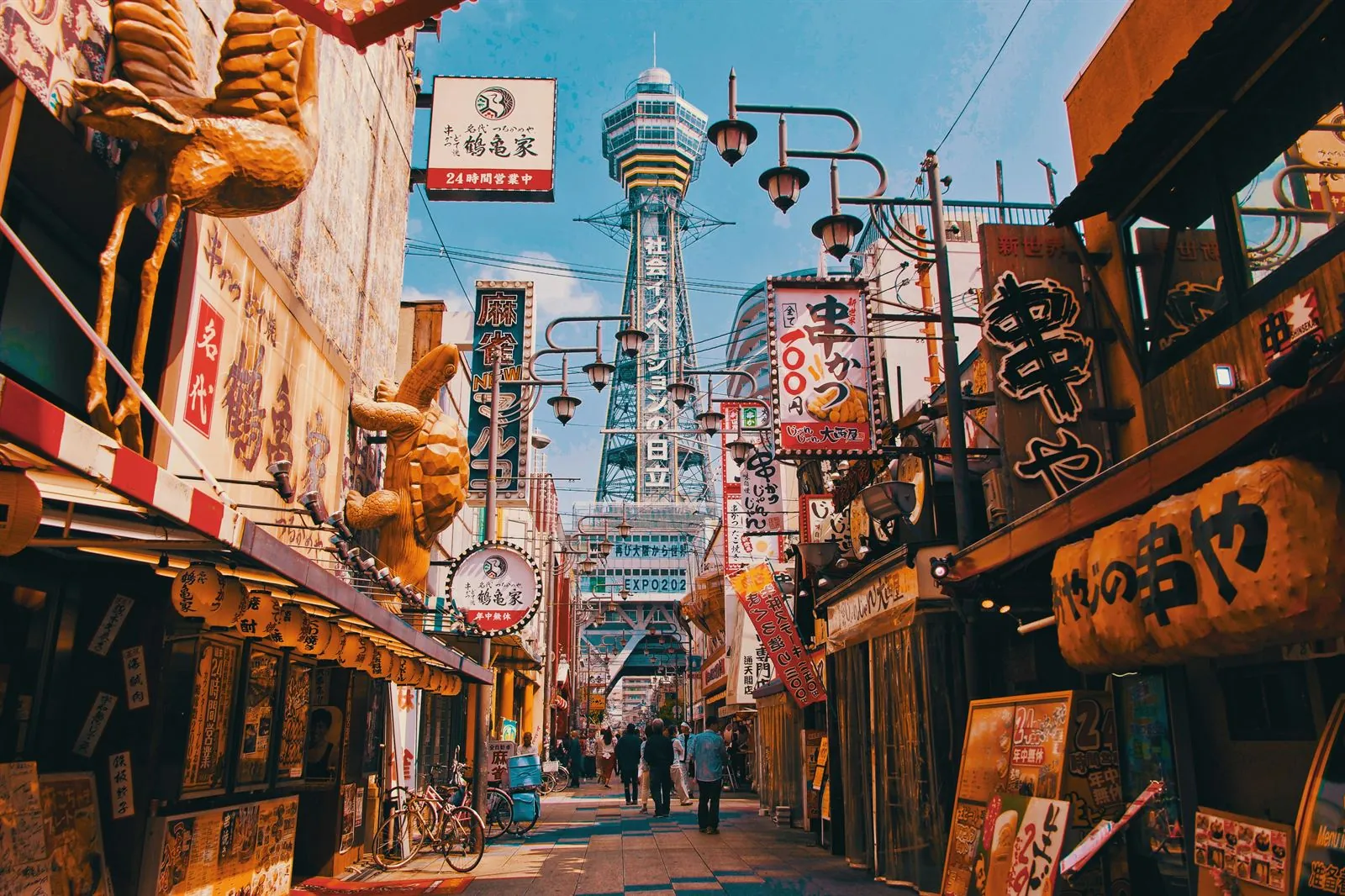
Three days for the food capital: the castle, Shinsekai, the Kuromon Ichiba market and, above all, eating around Dotonbori and Namba. There is a spare day for a trip to Kobe (Kobe beef, 30 min) or to Himeji Castle.
Days 18–21: Fukuoka and return flight
Sanyo Shinkansen to Fukuoka (about 2h20 from Shin-Osaka on the Nozomi or Mizuho). The capital of Kyushu closes the trip with its Hakata ramen and the yatai (street stalls by the Naka river). There is room for a trip to Kokura Castle or to Dazaifu. On the last day, the return flight from Fukuoka airport, 5 minutes from Hakata station by metro.
What to book on this route
A selection of real experiences from our catalogue for the main stops. Each card links to its page, its booking page and its location on the map.
Activities to book in Tokyo
Four days in Tokyo give you a lot: these are some of the activities you can book or locate on the map.

Day trip to Mount Fuji from Tokyo
Nature, Viewpoints · A day trip to Mount Fuji and Lake Kawaguchi from Tokyo with a guide; tour from around 8.000-10.000 ¥ depending on the route.
5,000–10,000 ¥ Book now View on Google Maps

GALA Yuzawa Ski Resort day trip
Sports · A ski resort accessible by shinkansen from Tokyo; a day pass usually exceeds 5.000 ¥.
5,000–10,000 ¥ Book now View on Google Maps

Museums · The Studio Ghibli museum in Mitaka; admission booked in advance, adults around 1.000 ¥.
1,000 ¥ Book now View on Google Maps
See all activities in Tokyo → · Tokyo guide
Activities to book in Nikko
For your day in Nikko, these experiences make the most of the shrines and the nature.

Toshogu Shrine (Japan's most ornate mausoleum)
Temples & castles, Viewpoints · The shrine-mausoleum of shogun Tokugawa Ieyasu, a UNESCO World Heritage Site, with the most spectacular gold-leaf buildings of feudal Japan; entry 1.300 ¥.
1,300 ¥ Book now View on Google Maps
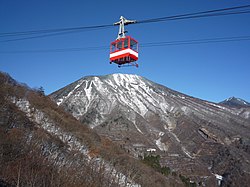
Nature, Viewpoints · A ropeway up to the Akechidaira viewpoint, with the best panoramic view of Kegon Falls, Lake Chuzenji and Mount Nantai; round trip around 1.000 ¥.
1,000 ¥ Book now View on Google Maps

Tobu World Square (miniature park)
Theme parks · A theme park in Kinugawa with over a hundred 1:25-scale replicas of famous monuments from around the world; entry around 2.800 ¥.
2,800 ¥ Book now View on Google Maps
See all activities in Nikko → · Nikko guide
Activities to book in Hakone
For your night in Hakone, these experiences make the most of the Fuji surroundings and the onsen.

Lake Ashi cruise with views of Mount Fuji
Nature, Viewpoints · A 30-min pirate-ship crossing of the volcanic lake with views of Mount Fuji on clear days; ticket ~1.200 ¥.
1,700 ¥ Book now View on Google Maps

Ninja and samurai experience at Odawara Castle
Tradition, Workshops · Guided ninja and samurai experience in Odawara, the gateway to Hakone, with an expert and a bilingual guide; from around 3.000 ¥.
2,500–4,999 ¥ Book now View on Google Maps

Hakone Kowakien Yunessun (hot-spring theme park)
Onsen, Theme parks · Hot-spring theme park in Hakone with baths as curious as wine, green tea or coffee, plus a traditional onsen; from around 2.500 ¥.
2,500–4,999 ¥ Book now View on Google Maps
See all activities in Hakone → · Hakone guide
Activities to book in Kanazawa
In Kanazawa, these activities help you discover traditional Japan without the crowds.

Kanazawa Castle and Gyokusen-inmaru Garden
Temples & castles, Viewpoints · Feudal castle of the Maeda clan with restored gardens and a museum; main grounds free, interior 320 ¥.
310 ¥ Book now View on Google Maps

Tradition, Workshops · Take part in an authentic tea ceremony next to the Kenroku-en garden, with a licensed master who explains each step; admission around 2.000 ¥.
1,500–2,499 ¥ Book now View on Google Maps

Day trip to Shirakawa-go (and Takayama) from Kanazawa
Nature, Viewpoints · A full-day bus trip from Kanazawa to the World Heritage village of Shirakawa-go and the historic centre of Takayama; tour from around 9.000 ¥.
5,000–10,000 ¥ Book now View on Google Maps
See all activities in Kanazawa → · Kanazawa guide
Activities to book in Kyoto
Kyoto concentrates temples and very popular experiences: book the ones with limited places well in advance.

Animals · Urban aquarium next to Umekoji park with penguins, seals and a large marine tank; adult admission around 2.600 ¥.
2,600 ¥ Book now View on Google Maps

Temples & castles · Castle of the Tokugawa shogunate with the famous "nightingale" floors that creak when you walk; admission ~1.300 ¥.
1,300 ¥ Book now View on Google Maps

Gastronomy, Tradition · Half-day tour of Uji, the cradle of matcha, with a green-tea tasting and a visit to the surroundings of Byodo-in temple; from around 4.000 ¥.
2,500–4,999 ¥ Book now View on Google Maps
See all activities in Kyoto → · Kyoto guide
Activities to book in Hiroshima
In Hiroshima and Miyajima, these activities help you organise the two days.

Baseball at the MAZDA Zoom-Zoom Stadium
Events, Sports · Watch a game of the Hiroshima Toyo Carp, the city's most beloved team; tickets from 1.700-4.500 ¥ depending on the seat.
1,500–2,499 ¥ Book now View on Google Maps

Museums, Temples & castles · The "Carp Castle" with a feudal-history museum; admission 370 ¥.
370 ¥ Book now View on Google Maps

Rabbit Island (Okunoshima): day trip
Animals, Nature · Trip to Okunoshima, the island inhabited by hundreds of free-roaming rabbits you can feed; tour from around 8.000 ¥.
5,000–10,000 ¥ Book now View on Google Maps
See all activities in Hiroshima → · Hiroshima guide
Activities to book in Osaka
Osaka is the food stop of the trip, but it also has a castle, viewpoints and nearby day trips.

Animals · One of the largest aquariums in Japan, with gigantic tanks and Pacific marine fauna.
2,700 ¥ Book now View on Google Maps

Shinsekai district and Tsutenkaku Tower
Nightlife · Osaka's retro area with izakayas, neon and the iconic Tsutenkaku tower.
1,500–2,499 ¥ Book now View on Google Maps

Osaka Castle (castle interior and museum)
Museums, Temples & castles · Visit the interior of Osaka Castle and its museum, with a viewpoint and an exhibition on the history of feudal Japan.
1,200 ¥ Book now View on Google Maps
See all activities in Osaka → · Osaka guide
Activities to book in Fukuoka
In Fukuoka, these experiences make the most of its food and its character as a gateway to southern Japan.

Day trip to Itoshima from Fukuoka
Nature, Viewpoints · Day trip to the Itoshima coast, Fukuoka's little Hawaii, with married rocks, seaside swings and photogenic spots; from around 8.000 ¥.
5,000–10,000 ¥ Book now View on Google Maps

Day trip to Yufuin and Beppu from Fukuoka
Nature, Onsen · Day trip from Fukuoka to the famous hot-spring towns of Yufuin and Beppu, with Beppu's steaming hells; tour from around 9.000 ¥.
5,000–10,000 ¥ Book now View on Google Maps

Marine World Uminonakamichi (aquarium)
Animals · The largest aquarium in Kyushu, with a great shark tank, dolphins, sea lions and sea otters; admission around 2.500 ¥.
2,500 ¥ Book now View on Google Maps
Indicative budget for 21 days
Estimate for one person in mid-season, with mid-range accommodation (a 3-star hotel or a quality hostel). In April and November prices rise by 30–40%. These are indicative figures, not a fixed budget.
| Item | 21-day estimate |
|---|---|
| Flight (in via Tokyo, out via Fukuoka) | 700–1,050 € |
| Accommodation (20 nights, ~60–90 €/night) | 1,200–1,800 € |
| Intercity transport (Shinkansen, individual tickets) | 360–420 € |
| Food (15–35 €/day) | 315–735 € |
| Tickets and activities | 180–300 € |
| Local transport (metro, bus) | 80–140 € |
| Total per person (without flight) | 2,135–3,395 € |
| Total per person (with flight) | 2,835–4,445 € |
The JR Pass deserves an honest calculation, because for this route it is not the automatic bet it seems. The long legs the pass covers (Tokyo–Kanazawa about 14,000 ¥, Kanazawa–Kyoto about 7,000 ¥, Kyoto–Hiroshima about 12,000 ¥, Hiroshima–Osaka about 10,500 ¥ and Osaka–Fukuoka about 15,700 ¥) add up to around 59,000 ¥ bought individually. Adding the local JR (Yamanote in Tokyo, the day trip to Nara, the JR ferry to Miyajima) it comes to around 65,000–68,000 ¥. That is below the 21-day pass, which costs 100,000 ¥ (about 545 €): for this route individual tickets are usually cheaper. Bear in mind too that neither Nikko (Tobu line) nor Hakone (Odakyu Romancecar) is covered by the JR Pass. The 21-day pass only pays off if you add big detours — Hokkaido, Tohoku or a lot of back-and-forth — that push up the kilometres by train. Check it with your exact route in the JR Pass calculator, review the updated prices in the JR Pass guide and work out the cash to bring with the yen converter.
Accommodation on a three-week trip
Eight stops in 21 days mean eight hotel bookings (or seven, if you leave Nikko as a day trip without an overnight). On a long trip it is worth thinking about the accommodation strategy with a bit more care than on a short getaway:
- Book the bottlenecks first, leave the rest flexible. The Hakone ryokan and the Kyoto hotels in sakura or momiji season sell out months in advance and rise a lot in price: lock them in as soon as you have dates. In big cities like Osaka or Fukuoka you find a bed almost always, so you can leave them for later or even adjust them on the fly.
- Mix accommodation types on purpose. Three weeks give room to vary: a night of ryokan with an onsen and a kaiseki dinner in Hakone, practical and cheap business hotels in the transit cities, and a slightly better hotel in Kyoto or Osaka where you spend more nights in a row. Alternating keeps the budget from spiralling and breaks the monotony.
- Choose the area well, not just the price. On the 3–4 night stops, sleeping near a main station saves you daily transfers with luggage. We have the detail by city in where to stay in Tokyo and in Kyoto or Osaka, where to stay.
- Use the long stops as a base. With four nights in Kyoto you do not need to change hotel to go to Nara or Fushimi Inari: you go out and come back the same day. The same in Osaka with Kobe or Himeji. Each change of accommodation costs a morning of check-out and transfer, so the fewer bases you have, the more real travel time you gain.
If you travel in April or November, do not wait: in those weeks accommodation is the first thing to sell out and what most increases the cost of the trip. Outside high season you have much more room to improvise.
Make this itinerary your own
Twenty-one days give total freedom to build the trip to your taste. Some variants that work well:
- Prefer mountains to cities? Swap Fukuoka for Takayama and the village of Shirakawa-go, or for the Japanese Alps.
- Have a stop to spare? Drop Nikko or Kanazawa and spread those days between Kyoto and Osaka, which always appreciate more time.
- Want beach and nature? From Fukuoka it is easy to continue into Kyushu (Beppu and its onsen, Yakushima) if you extend even further.
- Travelling with children? Reserve an Osaka day for Universal Studios and reduce the number of temples in a row. Ideas in Japan with kids.
The fastest way to adapt it is to say how many days you have, how many of you there are, your budget and your pace: from there the nights are distributed between cities, the costs are estimated and the hotel links are generated automatically.