

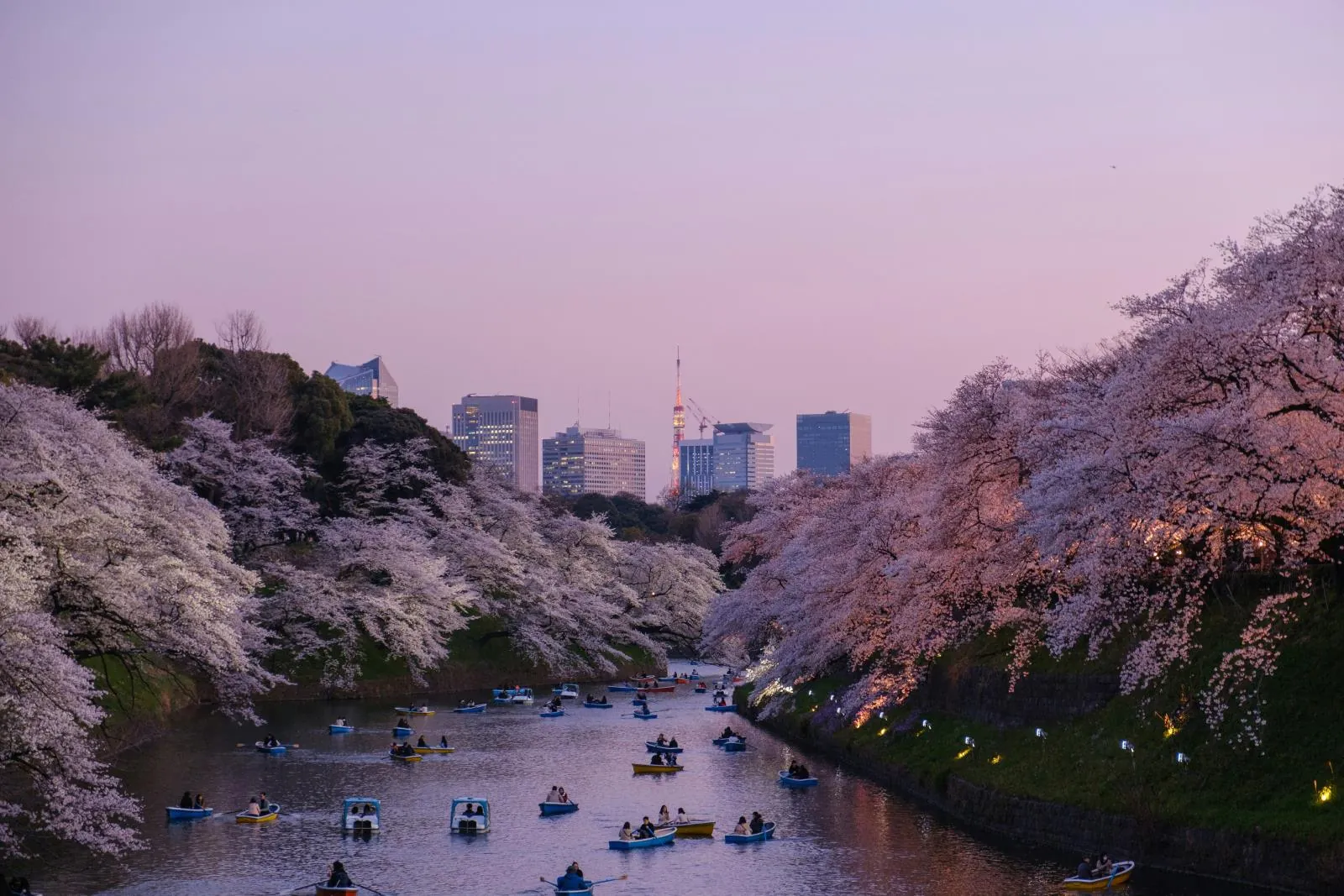
In Japan sizes tend to be smaller and the numbering system is different. Women's clothing uses odd numbers (5, 7, 9, 11...), men's uses S/M/L with more compact measurements, and footwear is measured directly in centimetres of foot length. Use the finder to find your Japanese size.
Converter and size conversion for Japan
Find your Japanese size
Women's clothing: EU → Japan
Women's sizes in Japan use odd numbers (5, 7, 9, 11, 13...) or, in more international brands, S/M/L. The cut tends to be more fitted than the European one, so if you are between two sizes it is worth going up one. Remember that the equivalents vary by brand: use them as a starting point and always try the garment on.
| EU | Japan (JP) | JP letter | Bust (cm) | Waist (cm) | Hip (cm) | UK | US |
|---|---|---|---|---|---|---|---|
| 32 | 5 | XS | 78–81 | 62–66 | 85–88 | 6 | 0 |
| 34 | 7 | S | 82–85 | 67–69 | 89–92 | 8 | 2 |
| 36 | 9 | S/M | 86–88 | 70–72 | 92–96 | 10 | 4 |
| 38 | 11 | M | 89–92 | 72–76 | 96–100 | 12 | 6–8 |
| 40 | 13 | L | 92–96 | 77–80 | 100–104 | 14 | 10 |
| 42 | 15 | LL / XL | 96–100 | 81–85 | 104–108 | 16 | 12 |
| 44 | 17 | 3L / XXL | 100–104 | 85–89 | 108–112 | 18 | 14 |
| 46 | 19 | 4L | 104–108 | 89–93 | 112–116 | 20 | 16 |
Men's clothing: EU → Japan
Japanese menswear uses S/M/L/XL with measurements somewhat more compact than the European ones. International brands (Uniqlo) usually have an equivalence closer to the European one; local brands can run a size larger.
| EU | Japan (JP) | Chest (cm) | Waist (cm) | UK / US |
|---|---|---|---|---|
| XS | XS / 1 | 82–86 | 70–74 | XS |
| S | S / 2 | 87–91 | 75–79 | S |
| M | M / 3 | 92–96 | 80–84 | M |
| L | L / 4 | 97–101 | 85–89 | L |
| XL | XL / 5 | 102–106 | 90–94 | XL |
| XXL | XXL / 6 | 107–111 | 95–99 | XXL |
| 3XL | 3L / 7 | 112–116 | 100–104 | 3XL |
Men's trousers: waist and length
| EU waist (cm) | JP (cm) | US (inches) | EU trouser size |
|---|---|---|---|
| 76 | 76 | 30" | S / 40 |
| 79 | 79 | 31" | M / 42 |
| 82 | 82 | 32" | M / 42–44 |
| 86 | 86 | 34" | L / 46 |
| 91 | 91 | 36" | XL / 48 |
| 96 | 96 | 38" | XXL / 50 |
Women's footwear: EU → Japan
Japan measures footwear in centimetres (foot length). To convert: measure your foot from the heel to the longest toe, and that value in cm is your Japanese size.
| EU | Japan (cm) | UK | US |
|---|---|---|---|
| 35 | 22 | 2.5 | 4.5 |
| 35.5 | 22.5 | 3 | 5 |
| 36 | 23 | 3.5 | 5.5 |
| 37 | 23.5 | 4 | 6 |
| 37.5 | 24 | 4.5 | 6.5 |
| 38 | 24.5 | 5 | 7 |
| 39 | 25 | 5.5 | 7.5 |
| 40 | 25.5 | 6 | 8 |
| 41 | 26 | 7 | 9 |
| 42 | 26.5 | 7.5 | 9.5 |
Men's footwear: EU → Japan
The Japanese footwear system is based on the foot length in centimetres. The conversion is direct: a 27 cm foot = JP size 27.
| EU | Japan (cm) | UK | US |
|---|---|---|---|
| 38 | 24 | 5 | 6 |
| 39 | 24.5 | 5.5 | 6.5 |
| 40 | 25 | 6 | 7 |
| 41 | 26 | 7 | 8 |
| 42 | 26.5 | 7.5 | 8.5 |
| 43 | 27 | 8.5 | 9.5 |
| 44 | 28 | 9.5 | 10.5 |
| 45 | 28.5 | 10 | 11 |
| 46 | 29 | 11 | 12 |
| 47 | 30 | 12 | 13 |
Children's clothing and footwear sizes in Japan
Japanese children's clothing does not use age as the main reference, but the child's height in centimetres. The labels show the height directly (80, 90, 100, 110...), so you only need to know how tall your child is to get the size right. The correspondence with age is only indicative, because every child grows at their own pace.
| JP size (height cm) | Indicative age | Child's height |
|---|---|---|
| 80 | 12–18 months | ~80 cm |
| 90 | 2–3 years | ~90 cm |
| 100 | 3–4 years | ~100 cm |
| 110 | 4–5 years | ~110 cm |
| 120 | 6–7 years | ~120 cm |
| 130 | 8–9 years | ~130 cm |
| 140 | 9–10 years | ~140 cm |
| 150 | 11–12 years | ~150 cm |
| 160 | 12–14 years | ~160 cm |
Children's footwear follows the same system as adults': the size is the foot length in centimetres. For the youngest, sizes go from 11–12 cm (baby) upwards, rising by half a centimetre at a time. Measure the child's foot and buy that number, leaving half a centimetre of margin for growth.
Tips for buying clothes in Japan
- Fitting rooms available: in Japan there are always fitting rooms and staff will help you find your size. Always try things on before buying.
- Uniqlo: Uniqlo sizes are closer to European ones than those of local Japanese brands. It is a good reference point.
- Large sizes: if you wear XL or larger, go straight to the large Uniqlo shops, to ZARA (which has standard EU sizes) or to department stores such as Isetan or Mitsukoshi.
- Second-hand clothing: the vintage shops (recycle shops, Bookoff, Kindal) have clothing in excellent condition at very low prices. Ideal for finding original Japanese brand garments.
- Haggling: does not exist in Japan. The marked price is the final price. Only in some second-hand electronics shops is it possible to negotiate slightly.
- Tax-free shopping: foreign tourists can shop without tax (8–10%) in shops with the "Tax Free" seal if the purchase exceeds 5,000 ¥. A passport is needed.
If it is your first trip, spending a little time on clothing before you leave saves you trouble: check what to pack for Japan and leave room for shopping. The shopping districts (Shibuya, Harajuku, Shinsaibashi in Osaka) are covered well in our guide to travelling to Japan for the first time, and if you're weighing up which city to focus your shopping in, our guide to the best cities in Japan can help you decide. Many shopping streets share space with the best places to eat that we cover in what to eat in Japan.