

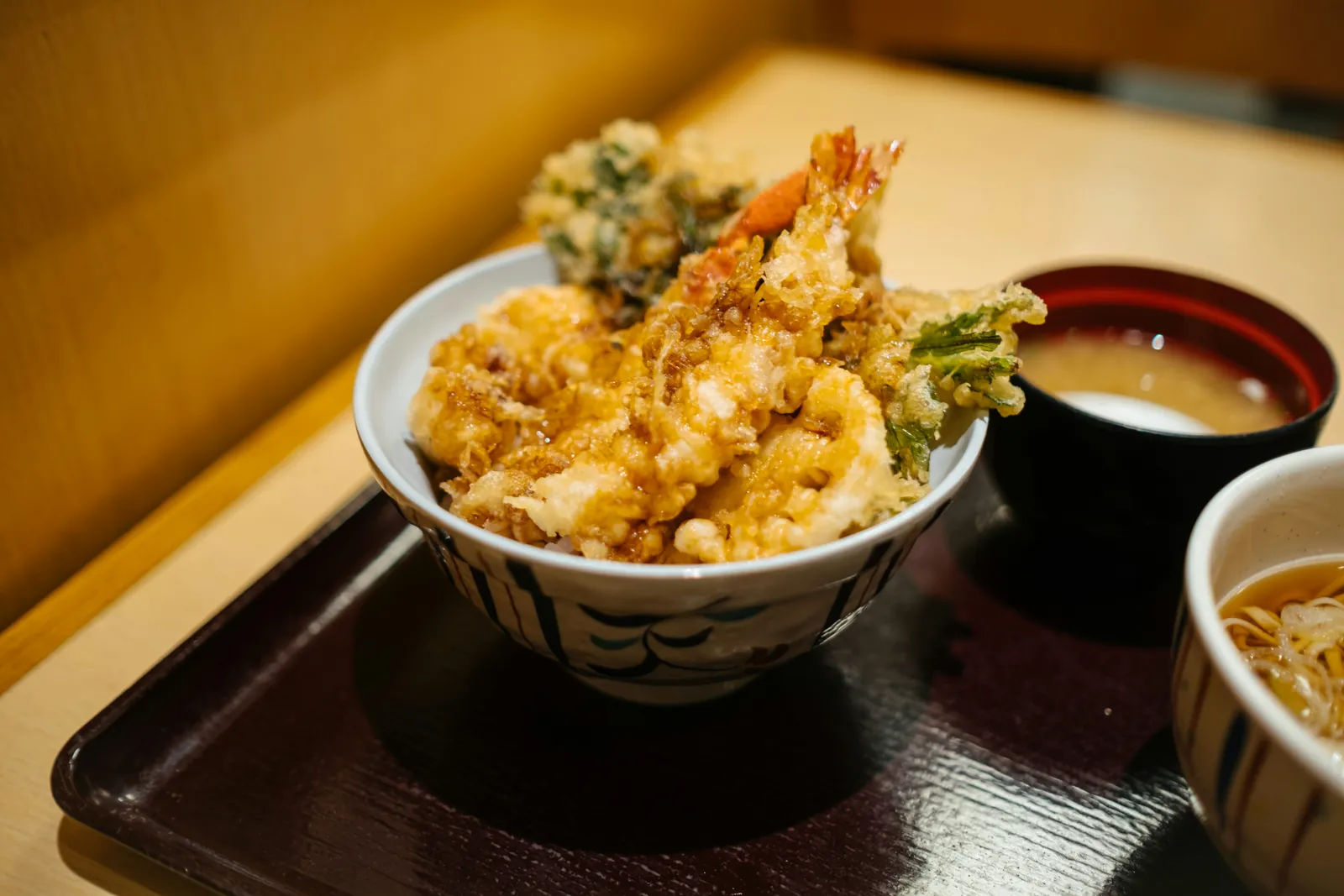
In Japan each type of restaurant has its own atmosphere, price and way of ordering. Here are the places you will come across and the practical side of eating in them without knowing Japanese: ticket machines, picture menus, how to pay and which gestures to avoid.
Where to eat: types of restaurant in Japan
Knowing what type of place you are looking for is half the work. In Japan restaurants usually specialise in a single dish, and each type has its own atmosphere and price range:
- Konbini (24-hour stores). 7-Eleven, FamilyMart and Lawson are an institution: onigiri (filled rice balls), sandwiches, bento (meal trays) and hot dishes of very good quality for little money. Ideal for breakfasts, picnics and quick meals between sights.
- Ramen-ya. Small places dedicated to ramen, many with a counter and a ticket machine at the entrance. You go in, eat and leave: fast and cheap.
- Izakaya. The Japanese pub-tavern: you go to drink and to share many small plates (yakitori, edamame, fried food, sashimi). The best place for a relaxed, social dinner at night.
- Sushi-ya and kaiten-zushi. Sushi restaurants range from kaiten-zushi (conveyor-belt sushi, cheap and fun) to the traditional counter where the master prepares it in front of you.
- Depachika. The food basements of department stores: a world of counters with bento, sweets, tempura and delicatessen. Perfect for buying a luxury dinner to go.
- Shokudo and teishoku-ya. Simple canteens serving set menus (teishoku): a main dish with rice, miso soup and pickles. Good old Japanese home cooking.
- Gyudon and curry chains. Chains such as the beef-bowl or curry ones serve complete, lightning-fast and very cheap dishes. A lifesaver for tight budgets.
Eating cheaply in Japan is very easy: with konbini, gyudon chains and ramen stalls you eat well while spending very little. If you want to stretch your food budget, the guide on how to save money in Japan has more tips.
How to order and eat without knowing Japanese
Eating in Japan is easier than it seems, even without speaking the language. These are the practical points worth knowing:
- Ticket machines (shokkenki). Many ramen, udon, soba and curry places have a machine at the entrance where you choose your dish (often with photos or numbers), pay, collect a ticket and hand it to the staff. They usually work with cash, although modern chains accept IC cards (Suica/Pasmo). It is a fast, very convenient system for those who do not dare order in Japanese.
- Plastic replicas and photo menus. Many restaurants display realistic replicas of their dishes in the window (sampuru) and almost all have photo menus. Pointing at what you want is perfectly normal and accepted.
- Almost everything is paid at the till at the end, not at the table (except where there is a ticket machine). In many places you pay in cash only, so carry yen with you.
- Chopsticks. They are used for almost everything, and noodles are slurped (making noise when eating ramen is not only fine, it is considered a sign that you are enjoying it). Two gestures to avoid: sticking chopsticks upright in rice and passing food from one set of chopsticks to another, because of their funeral connotation.
- No tipping. In Japan you do not leave a tip at restaurants; the service is already included and leaving one can cause confusion.


