

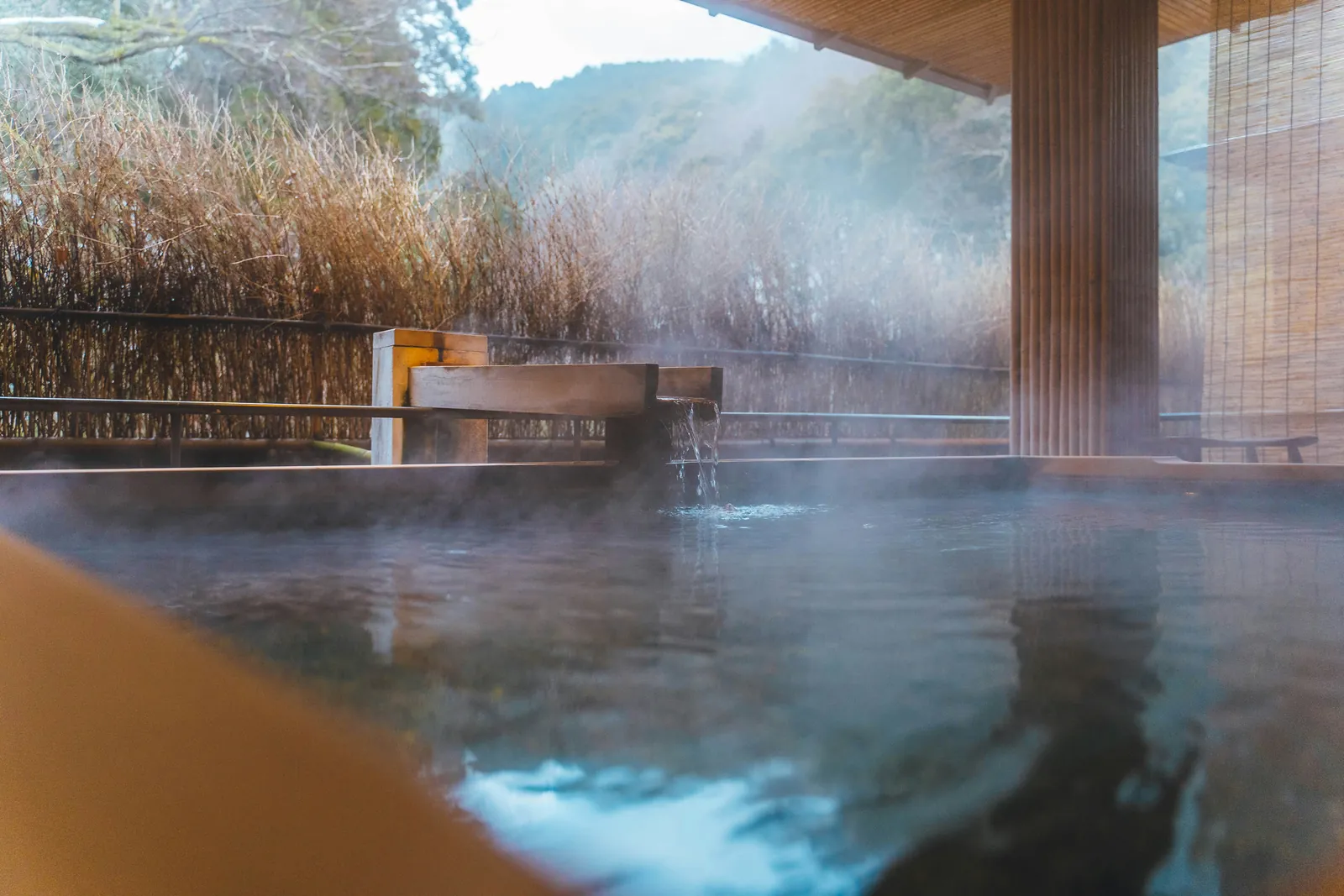
If you have tattoos, it is the most common question before going to an onsen: many Japanese baths do not allow them. Here is why, and the three real options for bathing anyway.
Onsen and tattoos: what you need to know
It is travellers' most frequent question, and rightly so: many onsen prohibit entry to people with tattoos. The reason is historical and cultural. In Japan the tattoo (irezumi) carried a negative connotation for centuries — it was even used as criminal punishment — and, above all, became associated with the yakuza, organised crime. That is why many baths ban it, although more and more establishments are opening up, especially with the rise in tourism.
The policy is, in practice, very variable: it depends on the place. If you have tattoos, these are your real options:
- Tattoo-cover patches or stickers. They are skin-coloured adhesive strips that hide a small or medium tattoo. They are sold at chains such as Don Quijote and online. They work well for discreet tattoos, not for large pieces.
- Reserve a private bath (kashikiri). When you rent the whole onsen, the ban stops mattering: there are no other bathers. It is the safest and most convenient route if your tattoo is large.
- Look for "tattoo-friendly" onsen and sento. More and more establishments openly admit tattoos; there are online directories that list them. Old-school urban sento (in Tokyo, Osaka or other big cities) tend to be more flexible than traditional ryokan onsen.
Tip: always check the policy of the specific bath before going, especially if you travel to a ryokan with onsen. A call or email in advance saves you a disappointment on arrival.

