

Summer in Japan is hot and humid, but it is also the season of the great festivals and, in June, of the lowest prices. Here is what to expect month by month from June to August and how to dodge the heat.
Summer in Japan (June – August)
The Japanese summer is intense. July and August in Tokyo and Osaka can exceed 35 °C with a humidity that makes the heat feel much worse. It is not the best time for those who do not tolerate heat or who plan long days of walking. That said, summer has clear advantages if you know how to make the most of them.
June: the cheapest month of the year
June coincides with the rainy season (tsuyu), which keeps many tourists away and prices low. The rain is usually short and intermittent, not all day. If you travel on a tight budget and do not mind carrying an umbrella, June offers the best price-to-experience ratio of the year. Kyoto's temples covered in hydrangea in the rain have a very different beauty from that of the sakura.
July: heat and festivals
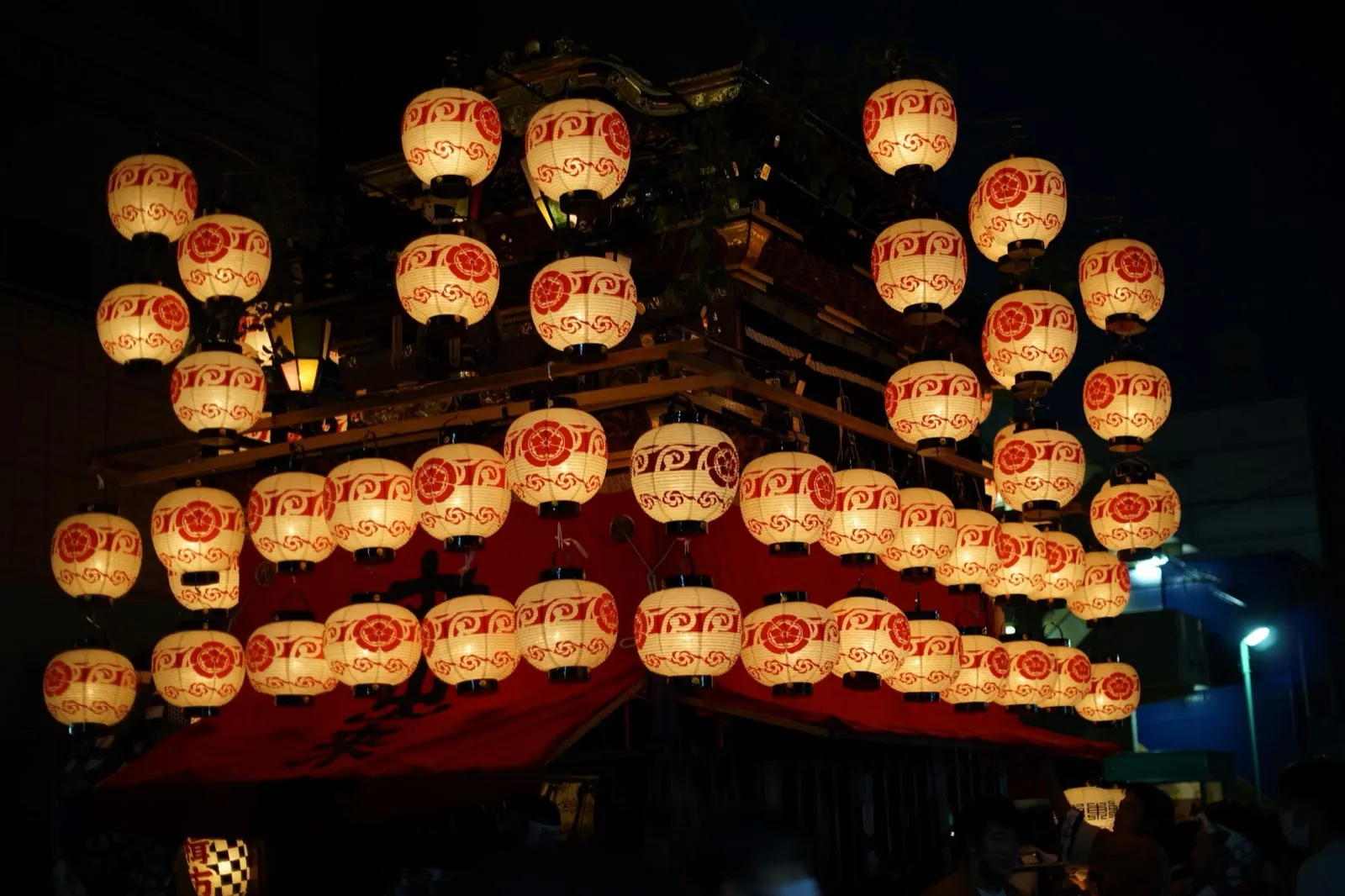
The rainy season ends and the most intense heat begins. But July is also the month of the great summer festivals (matsuri): the Gion Matsuri in Kyoto, one of the most famous in the country, runs all month with its peak on 17 July. Fireworks festivals (hanabi) are held along the coast and rivers. Visually, it is one of the most special times of the year.
Hokkaido as an alternative to the heat
If you travel in summer but cannot stand the heat, Hokkaido is the solution. Japan's northernmost island keeps temperatures of 20–25 °C in July and August while the rest of the country swelters. Sapporo, Furano (lavender fields) and the Daisetsuzan National Park are exceptional summer destinations, without the crowds that gather in Tokyo or Kyoto.
Obon (mid-August): plan well
From 13 to 16 August, many Japanese return to their home towns for the Buddhist festival of Obon. There are large population movements: the shinkansen and hotels in coastal and rural destinations fill up. By contrast, big cities such as Tokyo can be quieter than usual, as their residents leave.