

Nara: the first capital of Japan and the park of sacred deer
A small, peaceful destination with exceptional historical depth that is perfect to explore on foot.
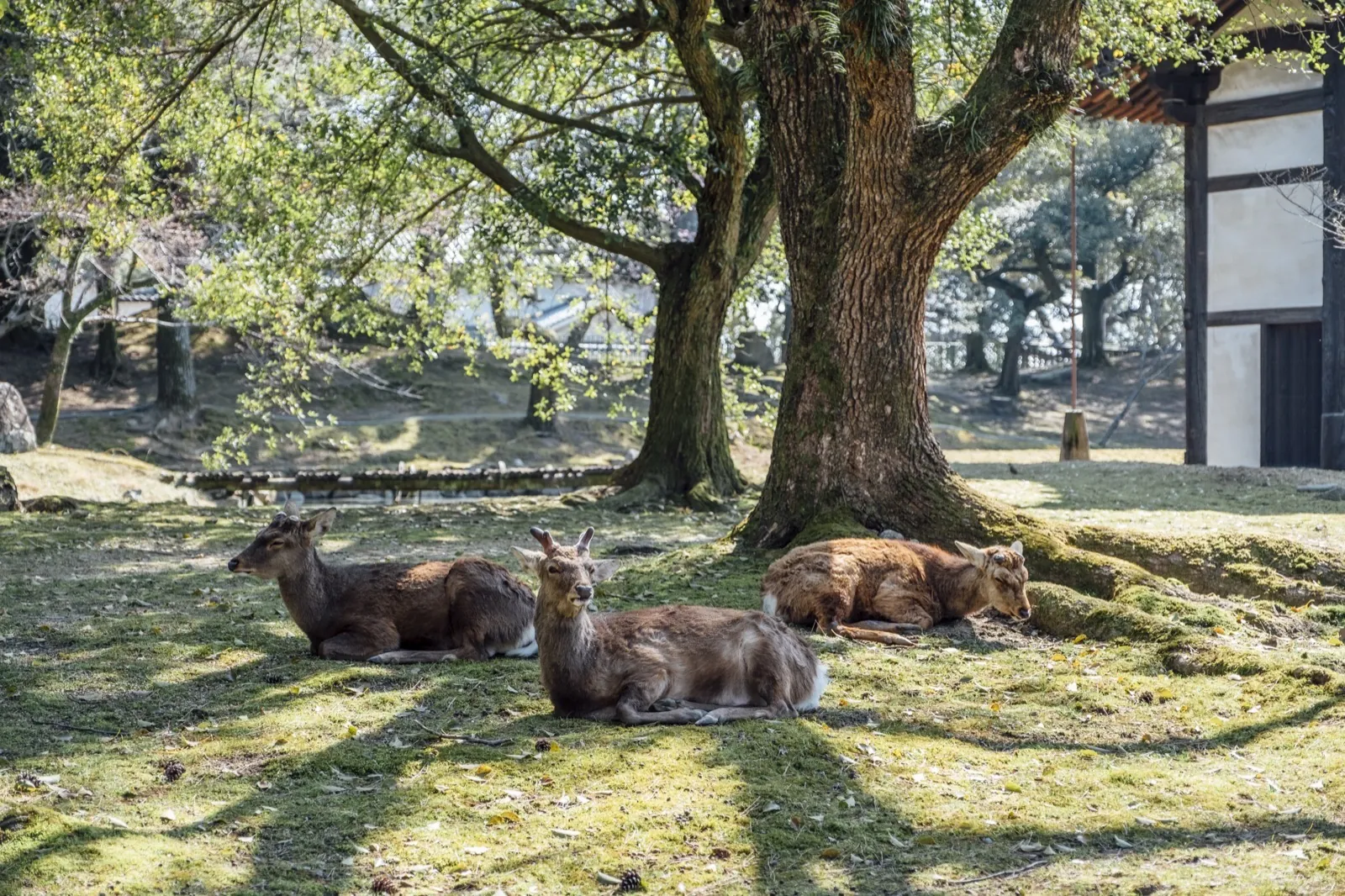
Nara at a glance
Nara was the first permanent capital of Japan in the 8th century, and much of that legacy remains intact. The central park is home to more than 1,200 semi-wild sika deer, considered messengers of the gods in Shinto. Within just a few hundred metres sit the Great Buddha of Todai-ji — inside the largest wooden building in the world — the Kasuga-taisha shrine with its thousands of stone and bronze lanterns, and the quiet historic district of Naramachi. A city that surprises with how much it offers in so little space.
Nara is usually visited as a full-day trip from Kyoto (45 min by JR train) or Osaka (30 min). Staying overnight lets you enjoy the city at dusk, when the organised groups leave and the deer wander more calmly through the streets. The city has few hotels, so it is worth booking ahead if you decide to stay. If your route continues towards southern Japan, bear in mind that from Osaka you can take the shinkansen to Hiroshima in just over an hour.
How many days should you spend in Nara?
Calculate your budget and split your nights automatically.
Key Nara areas
The park and the historic centre are explored on foot. Most of the day can be organised around these three main points.
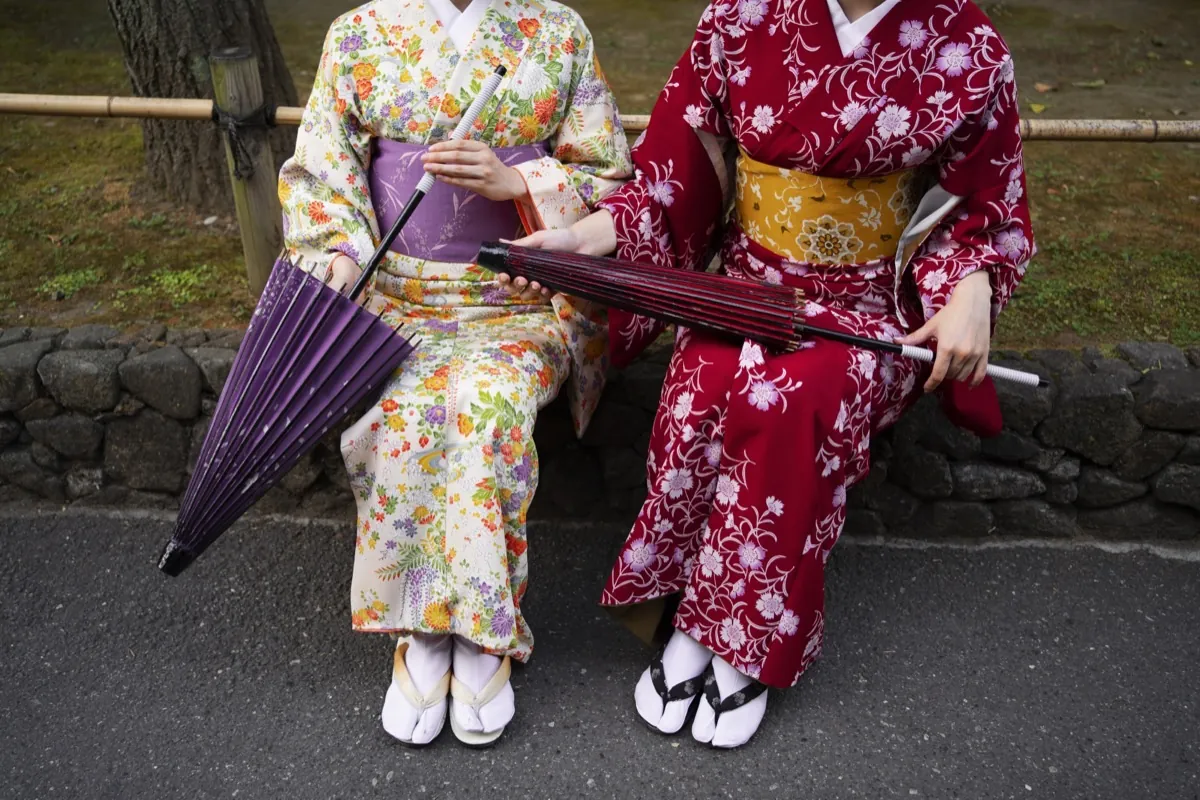 Nara Park and Todai-jiThe large urban park where the deer mingle with visitors. It is home to Todai-ji, one of the largest wooden buildings in the world, and the bronze Great Buddha standing almost 15 metres tall. Arriving before 9am avoids the biggest crowds and lets you see the deer on the park paths without the masses.
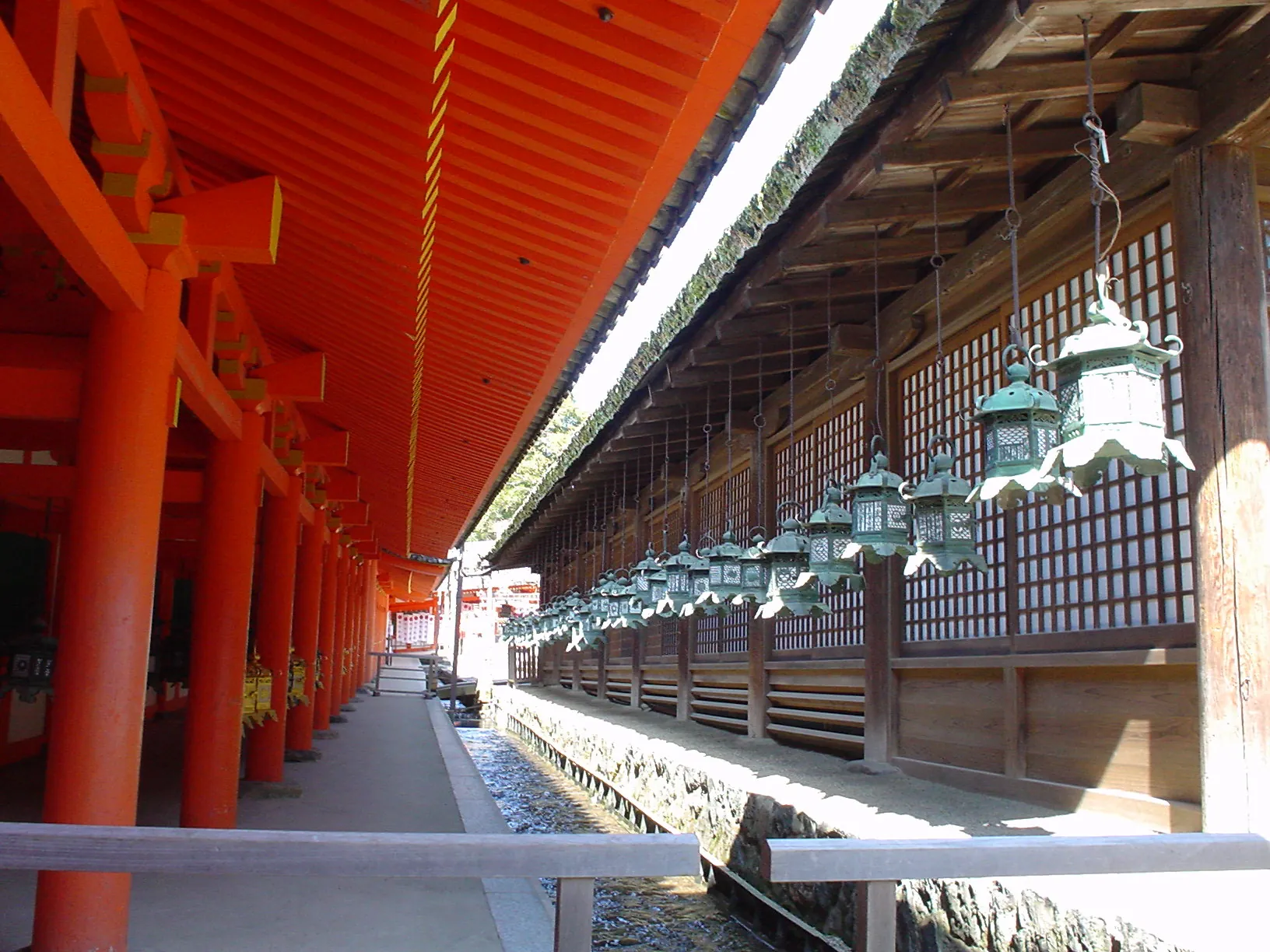 Kasuga-taisha and the Kasuga forestA World Heritage Shinto shrine, known for its more than 3,000 stone and bronze lanterns that light the path to the shrine. The adjacent primeval forest has been protected for more than 1,300 years and is home to exceptional biodiversity, with deer coming and going freely.
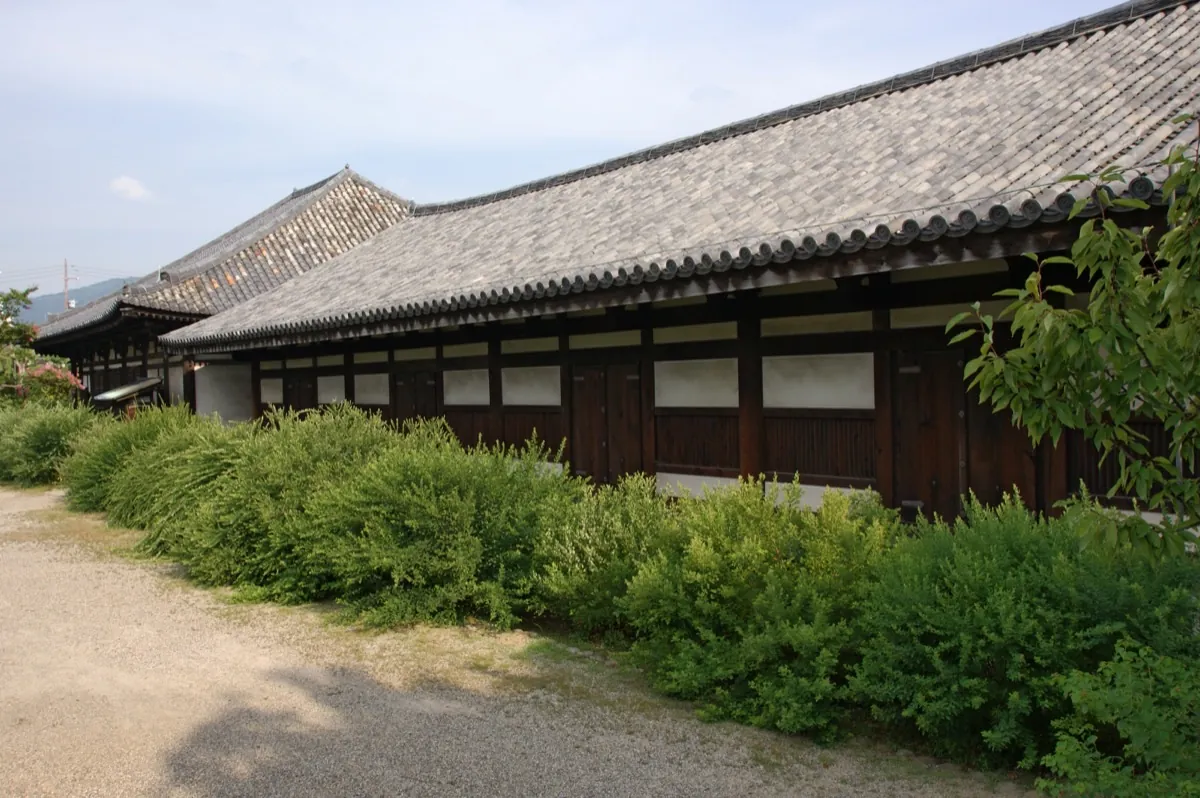 NaramachiA historic merchant district with very well preserved traditional machiya houses, small craft shops, quiet cafes and free local museums. The pace is very gentle and the Edo-period architecture is intact. Perfect for the end of the day, when the light is warmer.


